Slate is one of the toughest roof coverings you can put on a British house, which is precisely why it gets ignored. A Welsh slate that has shrugged off a century of weather will still cause trouble if one cracked slate lets water behind the course below it — and that trouble usually announces itself in January, in the dark, through a bedroom ceiling. An hour or two of work in late summer or early autumn, before the first hard frost, is the cheapest roof insurance you will ever buy.
Start with a slow lap of the house, ideally in flat morning light when shadows do not flatter a roofline. You are looking for anything that breaks the regular rhythm of slate courses.
Anything above gutter height is best left to someone with a roof ladder, crawl boards and the right insurance. Frosty mornings and wet slates are not the moment to discover you have neither.
Most winter leaks blamed on slate are really plumbing problems. Standing water in a gutter backs up under the bottom course, and the underlay can only divert so much before it finds a way inside. Clear leaves and moss by hand with gloves or a scoop, then check that the gutter actually falls towards the outlet rather than sagging in the middle. A gutter holding water will pull away from the fascia once that water freezes.
Run water down each downpipe, or watch them during the next heavy shower, to confirm they discharge freely. A blocked downpipe sends water down the wall, where it quietly ruins render and brickwork.
The valley — the channel where two slopes meet — collects everything the roof above it sheds. Clear it with a soft brush and trowel, working downwards, and never with a pressure washer. Blasting water upwards forces it under the slates, strips the surface and turns a small maintenance job into a leak.
Look for more than obvious holes. Cracked slates, chipped corners, slates that have dropped out of line and thin, flaking faces all matter. On older roofs, corrosion of the nails — often called nail sickness — lets slates slide, so you see a wavy line at the eaves or gaps appearing through a course. Once a slate above a gap has gone, water tracks sideways, and a five-minute repair becomes a morning's work.
Moss and lichen deserve attention too. They hold water against the slate and their roots work into the laps. Scrape them off in dry weather with a plastic scraper, always working downwards, and follow with a soft brush. Avoid wire brushes and pressure washers, which scar slate and accelerate the freeze-thaw damage you are trying to prevent. Proprietary treatments exist, but opinions differ on how kind they are to slate; if you use one, follow the label and test a small hidden patch first.
Frost rarely breaks a sound slate. It finishes off one that was already loose, cracked or holding water.
The slate gets the credit, but the details do the work:
Branches within a metre or two of the slates abrade them in the wind and drop debris into the gutters all winter. Cut them back in autumn — but check first whether the tree is protected by a Tree Preservation Order or sits in a conservation area, as you will usually need council consent before pruning. Squirrels and birds will happily exploit a gap once found. If you discover bats or signs of them, stop work: bats and their roosts are protected by law in the UK, so take advice from the relevant conservation body before anything else happens.
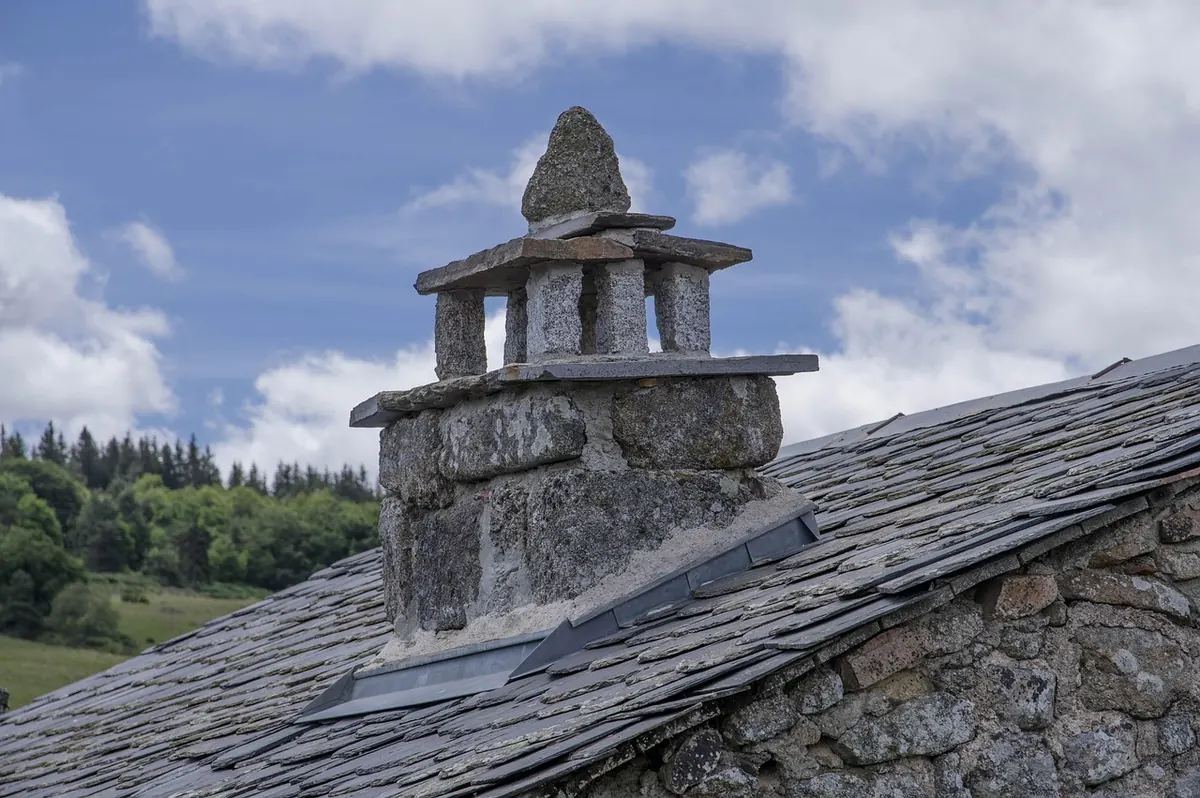
Then check the wind-catchers: aerial brackets, satellite dishes, chimney pots, loose render and anything else that a winter gale could turn into a projectile.
Get repairs done before the ground freezes, because slate work on a frozen roof is slow, unpleasant and risky. When snow does arrive, use a soft snow rake from ground level rather than climbing up, and never hack at ice with a spade or hammer — a struck slate cracks. Avoid scattering salt or de-icing products on slate, as they can stain and damage the surface.
If melting snow refreezes at the eaves into an ice dam, water is pushed sideways under the courses. Good loft insulation and unobstructed eaves ventilation reduce how often that happens, which is one more reason to keep the roof space tidy.
Bring in a professional for anything above gutter height, any lead work, missing slates wide enough to expose the battens, a sagging roofline, or damp that keeps coming back. If the property is listed or in a conservation area, repairs may need consent, so ask your local authority's conservation officer before work starts. Get two quotes, ask what slate they intend to use, and confirm they carry liability insurance. Check your buildings policy too — storm damage is often covered, but excesses and conditions vary, so photograph any damage before clearing it and keep receipts.
Work through this in September or early October, while the weather is still on your side:
Do that once a year and your slate roof will keep doing what it has always done — quietly, for decades.
Photo: rmsep4 / Pixabay