A slate roof is a fifty-year decision made in a fortnight of quotations. By the time the scaffold comes down, you have committed to a material that has to shrug off driving rain, frost and coastal wind. Welsh and Spanish slate are the two names that turn up in almost every estimate, and although they look similar stacked on a pallet, they behave quite differently once they are on the battens.
None of this is about one being better in the abstract. It is about matching the stone to the building, the budget and how exposed the roof actually is.
Welsh slate is quarried at a small number of sites in north Wales, mainly around Bethesda, Blaenau Ffestiniog and the Nantlle valley. It is a dense, fine-grained rock formed by low-grade metamorphism, and that density is the whole story: it absorbs very little water, which is what makes it resist frost, moss and delamination. It also makes it heavier per square metre than Spanish slate of the same size, so if you are re-slating an older roof, ask your roofer to confirm the timbers can carry the load.
Spanish slate comes largely from Galicia in the north-west, with further production in the León and Valdeorras areas. Quarrying there is on a much larger scale and exports in volume, which is why it holds most of the UK market. Be aware that "Spanish" is often a trade label rather than a geological one: slate from Portugal, Brazil and China is frequently shipped and sold through Spanish exporters. If origin matters to you, ask for the quarry name in writing, not just the country on the invoice.
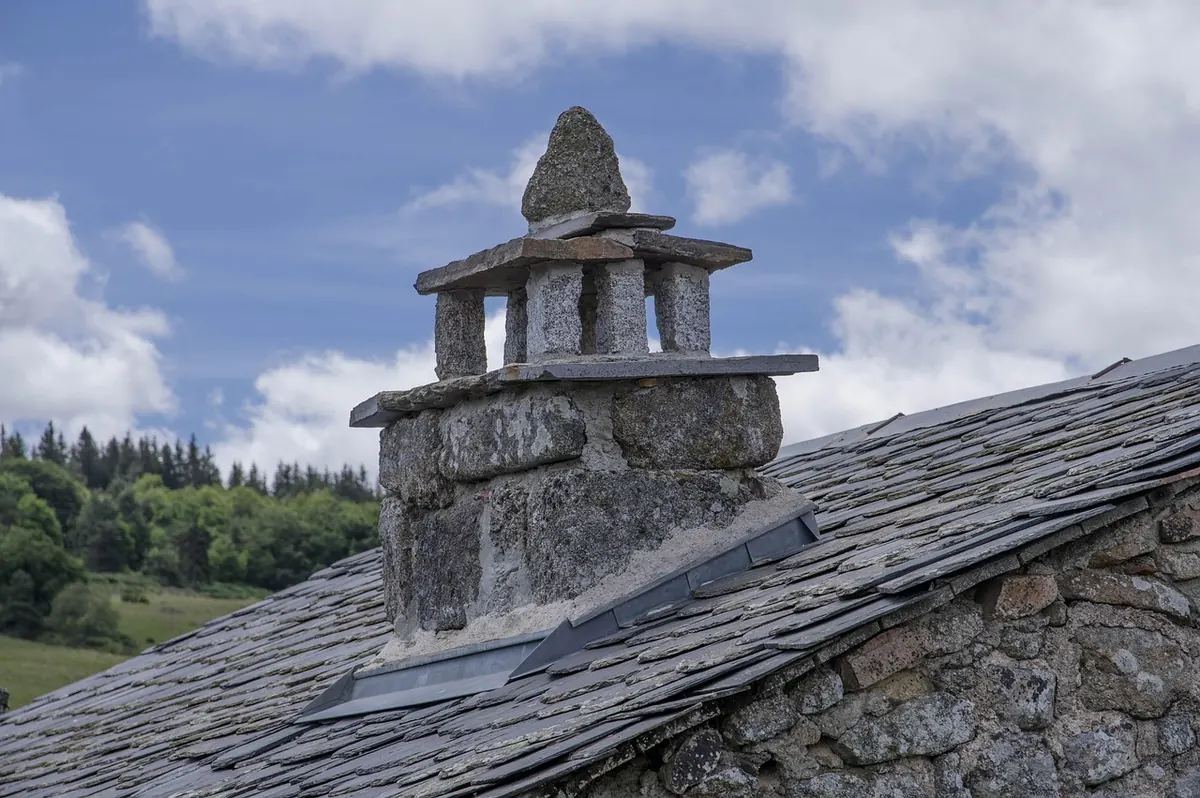
Welsh slate's reputation rests on longevity. Reclaimed Welsh slate is bought, graded and re-laid every week, sometimes after a century on a roof, because the material is still sound. That is also why reclaimed stock commands such a premium on heritage projects where a new slate would look wrong.
Spanish slate is more variable. The good material is genuinely durable, and plenty of Spanish roofs in the UK are performing well after several decades. The difficulty is that a single quarry can produce both excellent and mediocre slate, and the failure modes are specific:
These problems are manageable through specification rather than guesswork. Buy from a supplier who can show product data tested to BS EN 12326 (the standard covering slate for discontinuous roofing) and who will name the quarry. Batch consistency matters more with Spanish slate than Welsh, so insist that the whole roof comes from one consignment.
A slate's working life is bound up with its thickness as well as its origin. Thin slates flex more, crack more readily under foot traffic and fail sooner at the nail holes. When you compare quotes, compare size and thickness. A cheap quote using smaller, thinner slates is not the same product as a like-for-like Welsh specification, even if both are described simply as "natural slate".
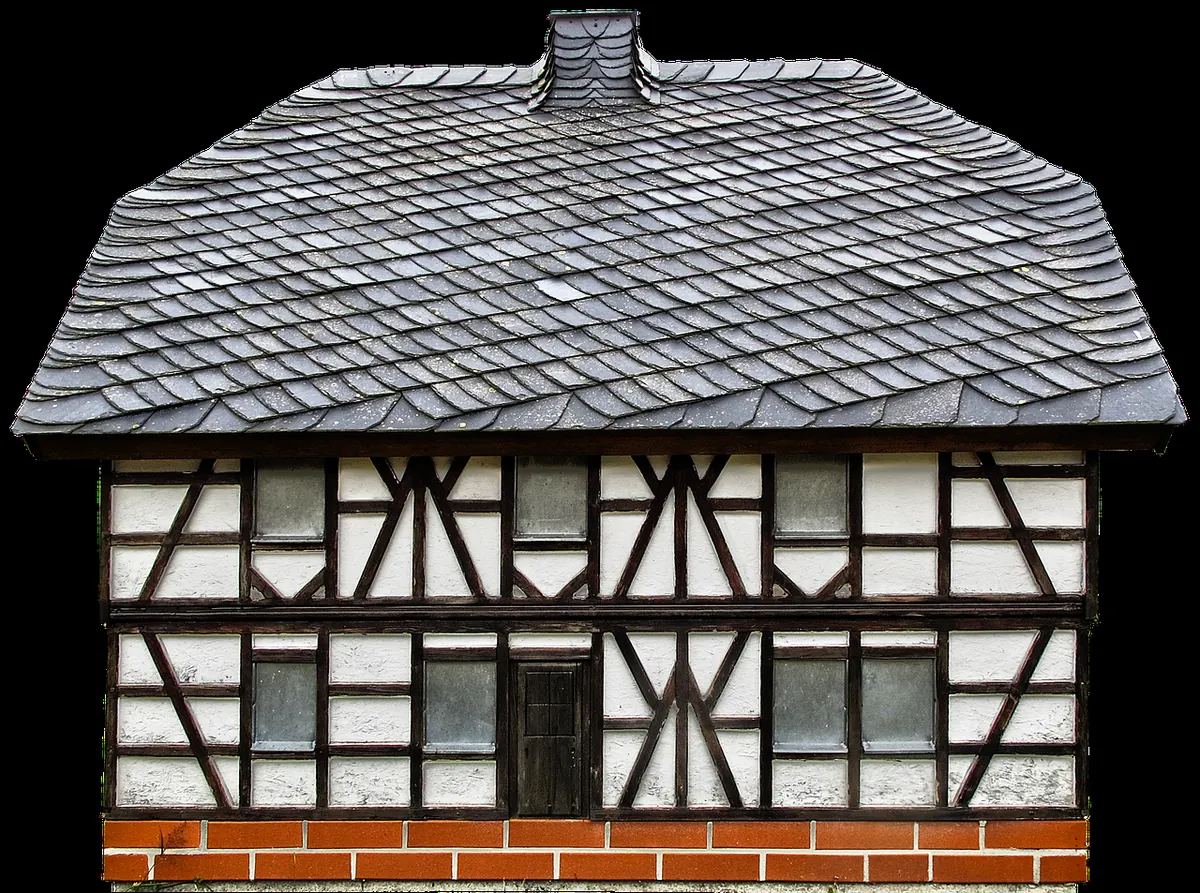
Welsh slate runs from blue-grey and dark blue through to heather purple, with occasional greenish tones depending on the quarry. It weathers to a soft, slightly mottled grey and blends convincingly with older brick, stone and lime render. Its colour variation across a roof is one of its charms.
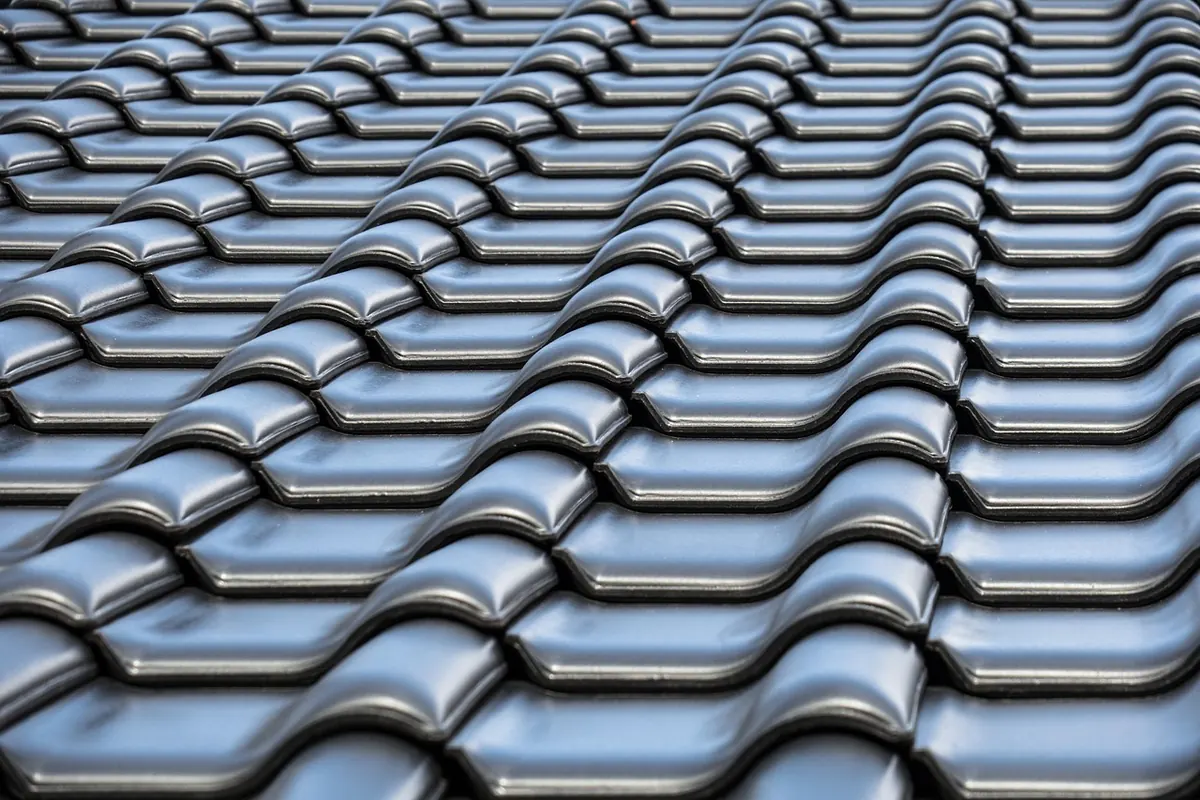
Spanish slate is usually darker, often close to charcoal or black, and more uniform within a batch. On a modern extension or a new-build, that consistency looks sharp and deliberate. On a Victorian terrace or a listed cottage, it can read as flat and slightly out of place next to the neighbouring roofs.
Two practical tips: ask to see the slate wet as well as dry, since rain darkens it considerably, and look at a finished roof rather than a sample board. A single slate in the hand tells you very little about how fifty square metres will look in February light.
This is where the gap is widest. Welsh slate is a limited resource from a handful of working quarries, and supply is tight. Expect a substantial premium over imported slate, longer lead times, and a real chance that your chosen size and colour is unavailable when you need it. Reclaimed Welsh slate can cost more again, because it has to be stripped, cleaned and graded.
Spanish slate is widely stocked, available in a broad range of sizes, and considerably cheaper. Lead times are usually short. The trade-off is that you carry more of the quality-control burden yourself, which is why the checks below matter.
Work from the building outwards. If the property is listed, in a conservation area, or sits in a terrace of Welsh slate, matching the existing material is usually the right answer, and you will need to check with your local planning authority before changing it. If it is a modern house with a steep, simple roof and the budget is fixed, a good-quality Spanish slate from a named quarry will do an honest job for decades.
Pay attention to the detailing either way, because most slate failures are fixing failures rather than stone failures. Headlap should follow the manufacturer's guidance for your chosen slate size, pitch and exposure — the lower the pitch and the windier the site, the greater the overlap required. Check that the underlay, battens and ventilation are specified to current standards, and make sure any valleys, hips and abutments are flashed properly.
Finally, take three quotes and ask each contractor why they have specified the slate they have. The roofer who can tell you the quarry, the thickness and the headlap without checking their notes is usually the one worth hiring.
Photo: anaterate / Pixabay